By Emily Stromquist
Last month I encouraged our community to take action and help ensure our neighbors have access to the food they need. This month, I want to address an equally important question: Who are the people seeking this assistance? Misconceptions persist about those who rely on food resources, including the belief that they are unwilling to work or are “taking advantage of the system.” But after 12 years in the nonprofit sector, I can say these stereotypes don't reflect the realities of the people and families we serve.
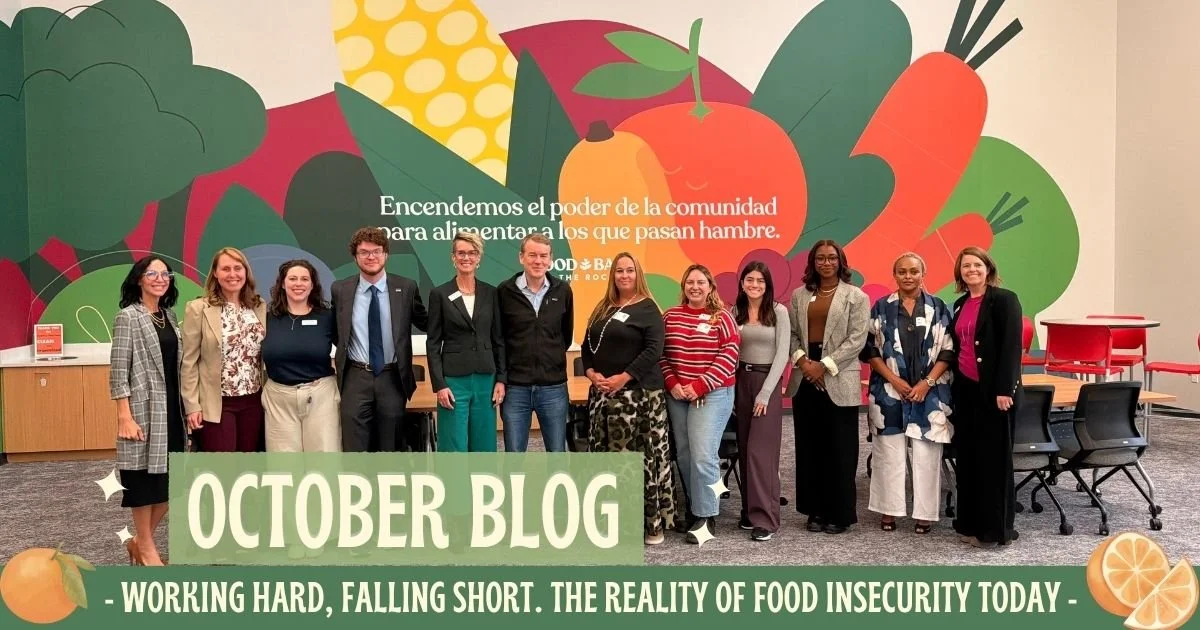
Last week, I had the opportunity to participate in a discussion with Senator Michael Bennet and fellow hunger relief partners from around the Denver area. We shared what we’re seeing firsthand among the neighbors who turn to our organizations for support.
In recent years, we’ve seen more neighbors who have never needed food assistance before find themselves relying on us to help make ends meet. In today’s economy, the margin between financial stability and hardship is razor-thin. A single illness or job transition can jeopardize the well-being of an entire family. Among those affected are some of our most vulnerable populations: older adults , children, and people with disabilities. For many, the need for assistance is not a reflection of poor choices, but the result of circumstances that can quickly change anyone’s financial situation.
In light of these facts, I want to share some of the feedback we received in this year’s Food for Hope Family Survey. These stories are from real families we serve. These parents are doing their best to feed their children amidst difficult circumstances. I hope that sharing their words will encourage all of us to realize that we may have more in common than we think with neighbors experiencing food insecurity.
“Since COVID started, my family has been struggling with keeping food in the house. There have been nights where I skip dinner so that my family is fed first. As a mom, that is a very +++frustrating issue to deal with and not let your family see how you feel about it. I have also had problems finding a steady job since COVID. Before that, I never had a problem finding a job as a veterinary technician. This program has brought relief to our household.”
“I am unable to work consistent hours due to supporting 4 kids with disabilities and managing their school and medical needs. We have a ton of medical debt dating all the way back to their births and ongoing medical expenses that result in us not having enough each month for essentials despite my husband’s income. Medicaid is still in process, and even if that goes through, our debt will still be there, as will my work limitations. I’m grateful the kids get meals at school, but we rely on the pantry for dinners, especially as food costs have gone up so much and things don’t stretch as far. I’m also grateful that it means food for me, as I was skipping sometimes before, and parents don’t get fed with other programs like summer school lunches.”
“Even though on paper, we make a good salary, years of lower income, family court fees, and raising three kids with special needs have taken a toll on our finances. Add to that the rise in prices across the board, and we struggle to make ends meet every month.”
“The challenges we face are that everything is extremely expensive—food, rent; sometimes we just can't make ends meet. We simply try to ensure that my children have something to eat every single day.”
If you’d like to support local families like these through Food for Hope programs, then join our mission and make an investment in the children we serve by clicking one of the buttons below.